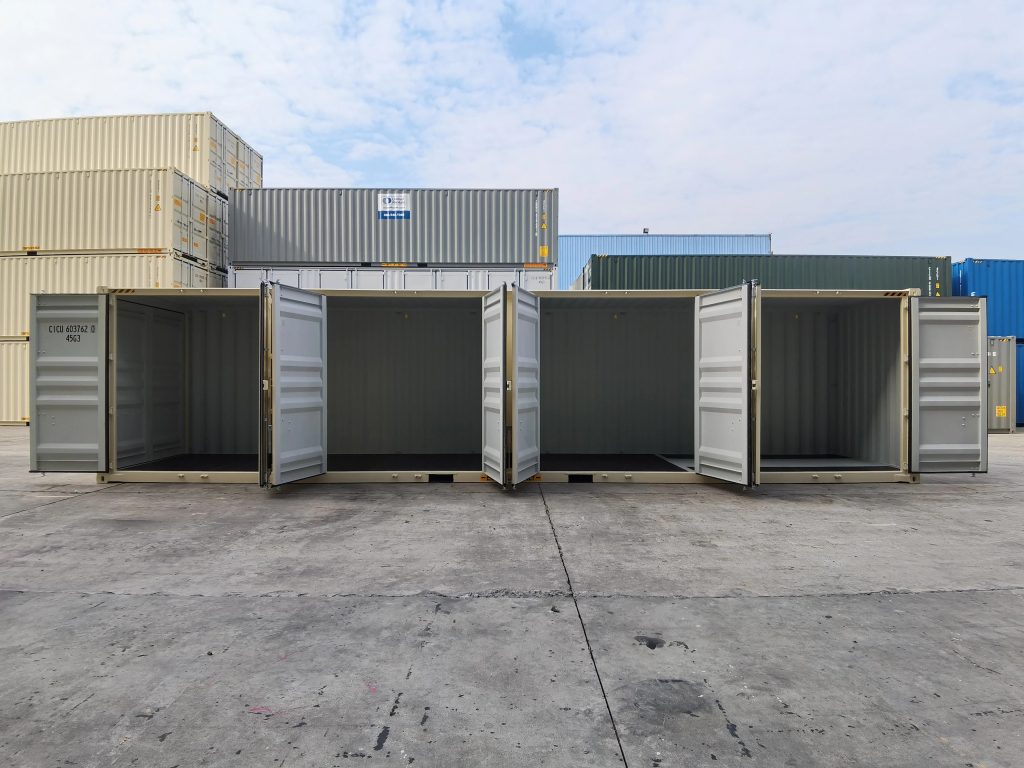
Understanding the 20-Foot Container: A Comprehensive Guide
Containers have reinvented the shipping and storage industries. Amongst the various sizes available, the 20-foot container-- frequently called a TEU (Twenty-foot Equivalent Unit)-- is one of the most popular. Its compact size, adaptability, and efficiency make it a favored choice for both businesses and individuals. This post will check out the significance of the 20-foot container, its specs, uses, advantages, and frequently asked concerns.
Specifications of a 20-Foot Container
Before diving into its applications and benefits, it's vital to comprehend the specs of a 20-foot container. Below is a table that highlights the essential dimensions and capacities of a standard 20-foot shipping container:
| Measurement | Imperial Units | Metric Units |
|---|---|---|
| External Length | 20 ft | 6.058 m |
| External Width | 8 ft | 2.438 m |
| External Height | 8.5 ft | 2.591 m |
| Internal Length | 19.4 ft | 5.898 m |
| Internal Width | 7.7 ft | 2.352 m |
| Internal Height | 7.9 ft | 2.393 m |
| Max Payload Capacity | 55,126 pounds | 25,000 kg |
| Volume | 1,172 cu ft | 33.2 cubic meters |
Common Uses of a 20-Foot Container
The versatility of the 20-foot container enables it to serve numerous functions across various markets. Below are some typical usages:
- Shipping Goods: Ideal for transporting freight overseas, providing a safe and secure and weather-resistant environment.
- Storage Solutions: Suitable for businesses that need short-lived or permanent storage area.
- Modular Construction: Increasingly used for developing short-lived housing and offices due to their versatility and strength.
- Retail and Pop-Up Stores: Re-purposed containers can function as special retail areas.
- Emergency situation Relief: Employed in disaster recovery efforts to keep materials and offer temporary shelter.
Benefits of Using a 20-Foot Container
The popularity of the 20-foot container can be credited to different benefits that it uses. Below are some significant benefits:
- Cost-Effective: Generally, the 20-foot container is less pricey compared to bigger containers, making it a great choice for little to medium shipping needs.
- Easy to Handle: The size permits simpler loading and unloading, especially in locations with limited space.
- Wide Availability: Easily available for purchase or lease from numerous suppliers around the world.
- Security: containers are built with steel and designed to be tamper-proof, making sure that items kept within are well-protected.
- Environmental Impact: Reusing containers for storage or other functions can minimize waste and promote sustainability.
Downsides of a 20-Foot Container
While the 20-foot container has several advantages, it also has some limitations to think about:
- Limited Capacity: It might not be ideal for carrying bulk goods due to its size restrictions.
- Weight Restrictions: The maximum payload capacity can restrict the kind of items that can be transferred.
- Not Ideal for Large Items: Oversized items might need alternate plans for transport.
- Ventilation Issues: Containers can become hot or damp if not appropriately ventilated, which might be a concern for sensitive goods.
FAQs About 20-Foot Containers
1. What is the average expense of a 20-foot container?
- The expense differs commonly depending upon the condition, age, and seller, however typically varies from ₤ 1,500 to ₤ 3,000 for an utilized container.
2. How much weight can a 20-foot container hold?
- The maximum payload capacity has to do with 55,126 pounds (25,000 kg).
3. Can you modify a 20-foot container?
- Yes, lots of companies focus on customizing containers for various purposes, consisting of including windows, doors, and insulation.
4. Are there various types of 20-foot containers?
- Yes, there are basic dry containers, cooled containers (reefers), open-top containers, and flat-rack containers.
5. How can I carry a 20-foot container?
- Transport can be arranged via truck, train, or ship, depending on the destination and the shipping company's capabilities.
The 20-foot container has become a basic element of international commerce, providing flexible solutions for shipping, storage, and beyond. Its profile as an economical and flexible alternative makes it a perfect option for numerous markets. With growing COG Containers towards modular building and construction and sustainable practices, the utilization of 20-foot containers is likely to expand even further.
For businesses and people aiming to explore their options, understanding the specs, applications, and advantages of the 20-foot container can cause notified decision-making and contribute to functional efficiency. Whether it's for shipping goods, producing storage solutions, or embarking on innovative building and construction jobs, the 20-foot container stands as a reliable and versatile tool in today's market.